

The secrets behind the psychology of gambling explained
The Allure of Gambling: Understanding the Attraction
The psychology of gambling begins with understanding why individuals are drawn to it. Many are captivated by the thrill of risk and the potential for reward. The excitement of possibly winning, combined with the adrenaline rush from high-stakes games, creates a compelling allure. This intense emotional experience can often overshadow the rational analysis of the odds, leading players to chase after elusive wins. In exploring various gaming options, including spinsycasino-canada.com, players can find a platform that offers numerous opportunities to engage.
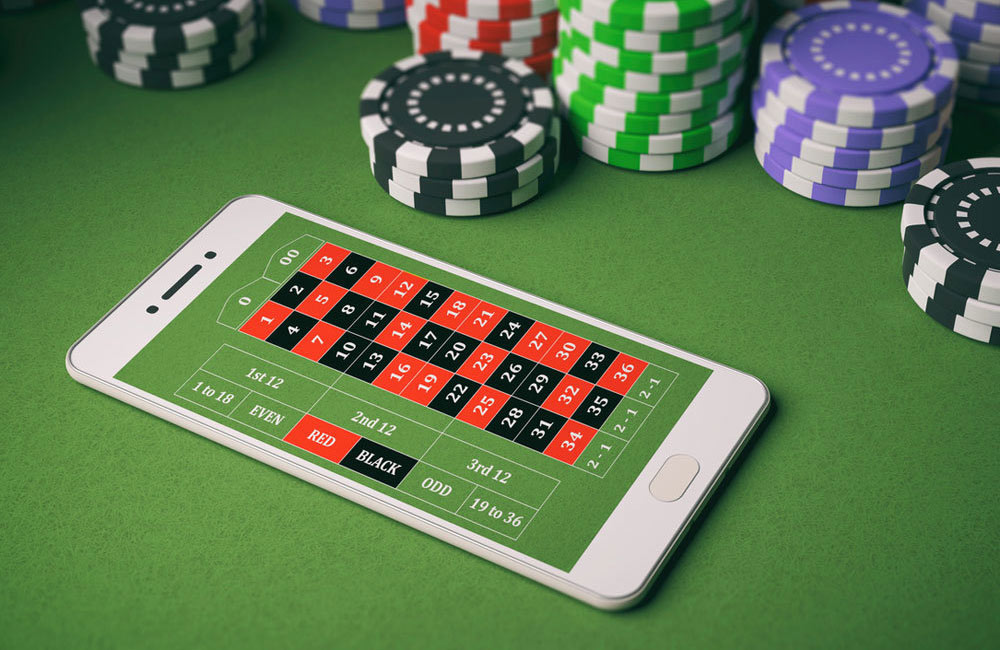
Furthermore, the environment in which gambling occurs also plays a significant role. Bright lights, engaging sounds, and the presence of other players create a sensory-rich atmosphere that heightens excitement. Casinos and online platforms cleverly design their settings to foster a sense of community and belonging, making individuals feel part of an exhilarating experience. This communal aspect can intensify the desire to engage in gambling behavior.
Social factors also contribute to the psychology of gambling. Many people gamble as a form of social interaction, bonding with friends or meeting new people in the process. This social element can make gambling more appealing, as it often becomes associated with enjoyable moments. Whether it’s sharing a victory or discussing strategies, the companionship found in gambling scenarios can reinforce the behavior and encourage further participation.
The Role of Cognitive Biases in Gambling
Cognitive biases significantly influence how gamblers perceive and engage with their experiences. One prevalent bias is the illusion of control, where individuals believe they can influence the outcome of games, despite the inherent randomness involved. For instance, a player might think that choosing specific numbers or strategies can improve their chances, fostering a sense of agency that keeps them returning to the tables.
Another common cognitive bias is the gambler’s fallacy, which leads individuals to believe that past events influence future outcomes. For example, a player may think that after a series of losses, they are ‘due’ for a win. This faulty reasoning can lead to increased gambling, as players feel compelled to continue until they experience a win, often exacerbating their losses in the process.
These cognitive biases are not only personal but are also influenced by marketing and advertising strategies used by casinos. Promotions often emphasize past winners and highlight potential jackpots, reinforcing optimistic beliefs about winning. This external influence can perpetuate unrealistic expectations, making it challenging for gamblers to recognize the realities of their actions, ultimately leading them deeper into a cycle of gambling.
The Emotional Experience: From Euphoria to Despair
The emotional landscape of gambling can fluctuate dramatically, oscillating between euphoria and despair. Winning creates a rush of joy and excitement, prompting the brain to release dopamine, a neurotransmitter associated with pleasure. This chemical response reinforces the behavior, making players crave further wins and the exhilarating feelings that accompany them.
However, the thrill of winning is often short-lived. The anticipation of the next big win can lead to compulsive behaviors, as individuals chase the high they previously experienced. Unfortunately, this can also lead to significant emotional distress when losses accumulate, resulting in feelings of despair, guilt, and regret. Understanding this emotional cycle is essential for recognizing the potential for addictive behaviors associated with gambling.
This cycle of highs and lows can also lead to a distorted view of risk. Players may become desensitized to their losses over time, leading them to increase their bets in an attempt to recapture the initial excitement of winning. This escalation can create a dangerous pattern where individuals gamble beyond their means, further entrenching them in a cycle of addiction that is challenging to break.
The Influence of Environment and Social Dynamics
The environment in which gambling takes place plays a crucial role in shaping behavior. In physical casinos, the layout and design are meticulously crafted to keep players engaged. The absence of clocks, the use of bright colors, and the constant sounds of wins create a stimulating atmosphere that encourages prolonged play. This environmental manipulation can significantly impact the decisions gamblers make and how long they remain in the game.
Social dynamics also play a pivotal role in gambling behavior. Observing others win can amplify the desire to play, as the excitement is contagious. This social reinforcement can lead to a phenomenon known as peer pressure, where individuals feel compelled to gamble to fit in or be part of a group. As a result, the act of gambling often becomes less about individual choice and more about social engagement.
Moreover, the rise of online gambling platforms has further transformed social dynamics. Players can now engage with one another from the comfort of their homes, fostering a sense of community through online chats and forums. However, this digital environment can also lead to isolation, as individuals might prioritize gambling over in-person social interactions. Understanding the interplay of these social factors is essential in addressing the broader implications of gambling behavior.

Understanding Responsible Gambling: Strategies and Resources
Understanding the psychology of gambling is crucial for promoting responsible gambling practices. Players should be encouraged to set limits on their spending and time spent gambling. Awareness of personal triggers, whether emotional or social, can help individuals recognize when they are at risk of developing harmful habits. Implementing strategies such as self-exclusion programs or setting daily budgets can empower players to maintain control over their gambling behaviors.
Education is another vital component in fostering responsible gambling. Resources that explain the odds, risks, and realities of gambling can help individuals make informed decisions. Many online platforms provide information on responsible gaming practices and offer tools for players to monitor their gambling habits, encouraging a more balanced approach to gaming.
Ultimately, creating a culture of responsible gambling requires collaboration among players, operators, and regulators. Online casinos, such as Spinsy Casino, are increasingly implementing responsible gaming measures to ensure players have a safe and enjoyable experience. By prioritizing awareness and support, the gambling community can work together to mitigate the risks associated with gambling and promote healthier habits.