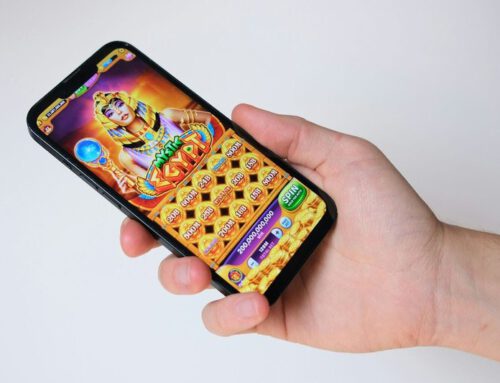

Every instant a new smartphone drops, the UK gaming scene takes a breath, and then it starts to shift. The latest breath comes from mobile esports, a sector that has grown from niche cups on a single phone to national leagues that attract thousands of viewers and members alike.
From Casual Play to Competitive Rigs
Despite its rapid growth, mobile esports faces hurdles. One major issue is the lack of standardized rules across different titles. A 2022 survey highlighted that 37 % of team members are confused by varying tournament regulations, premier to disputes over eligibility as well as scoring.
Another challenge is monetisation. While sponsorship deals are improving, many players still rely on ad revenue from streaming, which can be volatile. This uncertainty can discourage long‑term investment in training and equipment.
Hardware and Connectivity: The New Staples
In the early days, mobile games were mostly around quick sessions between friends. In the present day, the same titles—Call of Duty: Mobile, Circuit of Legends: Unruly Rift, Clash Royale—are being played with the same seriousness as PC titles. A recent survey found that 63 % of UK mobile players now fork out at least 20 hours a thirty days in competitive play, up from 28 % a year ago. That’s a jump that shows the depth of commitment.
Quality and reliability are key factors that should not be overlooked.
Streaming platforms relish Twitch plus YouTube Gaming have added dedicated sections for mobile esports. In 2023 alone, mobile esports streams generated 1.2 billion views worldwide, a 30 % increase from the previous calendar year. In the UK, local streamers are turning their living rooms into mini arenas, complete with live commentary and interactive polls that let viewers influence in‑game decisions.
Community, Streaming, as well as the Shift in Social Spaces
On the upside, the mobile format is inherently inclusive. Lower hardware costs mean more people can participate, and the portability of smartphones allows players to travel between venues without the need for a dedicated PC setup. This flexibility is already encouraging cross‑border competition, with UK teams time after time facing opponents from Spain, India, and Brazil.
Because mobile choices run on iOS and Android, the barrier to entry is lower than ever. A new player can retrieval a game, join a team, as well as start competing in under an stretch. That immediacy has attracted a younger demographic—18‑24 year olds—who today account for 48 % of the mobile esports audience, compared with 32 % for traditional PC esports.
How Mobile Esports Is Redefining UK Gaming Culture also intersects with online gaming entertainment more broadly. For example, many mobile esports players right now enjoy casual slot games plus casino games during downtime, plus one beloved spot for that is the hadesbet casino, where mobile users can access a wide-ranging range of games from their phones.
The Road Ahead: Challenges plus Opportunities
Mobile esports has pushed the UK to upgrade its infrastructure. A recent report by the National Grid shows that 12 % of broadband connections in London are now dedicated to gaming, with speeds exceeding 200 Mbps to keep lag to a minimum. Players also invest in specialised peripherals: a 144 Hz gaming phone, a low‑latency Bluetooth headset, and a portable charging rig that can keep a device running for 12 hours during a contest.
The social aspect extends beyond screens. Pop‑up arenas in Manchester and Birmingham at this time host “mobile esports nights,” where fans can try out the latest titles, watch live matchups, and greet expert players. These events have boosted local economies: a study by the UK Games Forum found that each mobile esports event brings an average of £5,000 in direct spend to nearby businesses.
Teams are no longer only hobby groups. They have crammed training schedules, nutrition plans, plus even sponsorship deals that cover travel to the annual Mobile Legends World Crown in Singapore. In the UK, the UK Mobile Esports League today offers a £15,000 prize pool for its highest division, a figure that rivals some of the smaller PC cups.
Conclusion
Mobile esports is no longer a side note in the UK gaming narrative; it’s a headline. From the climb of professional teams and high‑speed infrastructure to the cultural shift in how we stream plus socialize around matchups, the mobile sector is reshaping the industry’s landscape. As technology advances and more pros attach the fray, the next few years will likely witness mobile esports cement its put as a cornerstone of UK gaming culture.
Frequently Asked Questions
What is mobile esports?
Mobile esports refers to competitive gaming played on smartphones or tablets, featuring titles enjoy Call of Duty: Mobile along with Wild Rift.
How has mobile esports grown in the UK?
It has evolved from modest phone tournaments to national leagues, drawing thousands of players and viewers online.
What impact does it have on traditional PC/console esports?
It delivers more accessible entry points, diversifies audiences, and creates new revenue streams for sponsors plus broadcasters.