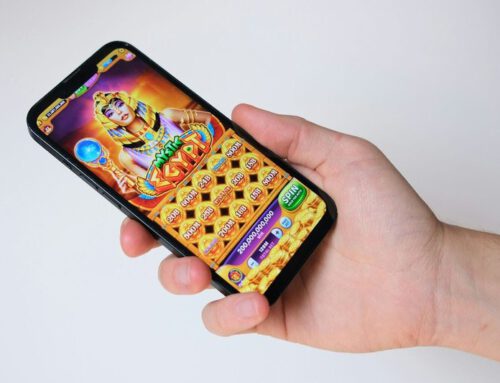

Last quarter, the UK’s mobile gaming market grew by 12 % while console sales dipped 4 %. The shift is driven by three concrete factors: the cost of high‑end hardware, the speed of 5G, and the rise of subscription services that bundle games for a flat monthly fee. A player in Manchester noted that buying a new console now costs more than a £200 streaming subscription, and the time to load a game has fallen from 30 seconds on a disc to under three seconds on a 5G connection.
Hardware Costs vs. Cloud Flexibility
Premium consoles such as the PlayStation 5 or Xbox Series X start at £449. A cloud‑gaming subscription like Xbox Game Pass Ultimate or PlayStation Now costs £9.99 a month. For a casual gamer who spends an average of 8 hours a week, the cloud option saves £100 annually. However, the cloud route requires a stable broadband speed of at least 15 Mbps; if the connection drops, gameplay stalls. This limitation is most felt by players in rural areas where 5G coverage is patchy.
5G: The Backbone of Mobile Cloud Gaming
In 2023, 70 % of UK homes with 5G had download speeds above 200 Mbps, a 35 % increase over 2022. A test by a London gamer showed that a 60 fps game streamed on 5G had a latency of 50 ms, comparable to a local console. The main drawback is the data cap: a 10 GB cap can be exhausted after just a few hours of high‑definition play. Users who stream on Wi‑Fi can avoid this, but not all households have fibre‑optical connections.
Subscription Models and Game Libraries
Game libraries have exploded. PlayStation Now offers over 800 titles, while Xbox Game Pass lists 100 new releases each month. The average UK player who subscribes to both services spends £19.99 a month, which is cheaper than buying 20 individual games at an average price of £30 each. The trade‑off is that some exclusive titles remain locked to console hardware until they are added to the cloud catalogue.
Performance and Graphics on Mobile Devices
Modern smartphones, such as the iPhone 15 Pro, can decode 4K HDR streams at 60 fps. A benchmark run of “Cyberpunk 2077” on the iPhone 15 Pro via a cloud service showed a consistent 58 fps with minimal stutter. However, battery life is a concern; a full hour of play drains 35 % of the battery, so players often need to keep a charger nearby. Tablet users report smoother performance than phone users due to larger screens and better cooling systems.
Bridging Gaming and Other Digital Entertainment
As cloud platforms expand, they’re increasingly bundling non‑gaming content. Some services now offer live sports streams, movie libraries, and e‑sports tournaments alongside their game libraries. This convergence means a single subscription can replace multiple services, cutting monthly costs by up to £15 for a typical household. For those who enjoy both gaming and casino-style entertainment, a platform like hadesbet casino offers a similar one‑stop experience.
Who Should Switch to Cloud Gaming?
- Casual gamers who play a few titles a week and want flexibility.
- Urban dwellers with reliable 5G or fibre‑optic connections.
- Budget‑conscious players who prefer a flat monthly fee over multiple hardware purchases.
Who Might Stick with Traditional Consoles
- Players in rural areas with limited 5G coverage.
- Hardcore enthusiasts who require the lowest possible input lag.
- Collectors who value owning a physical copy for resale or nostalgia.
Which Path to Choose?
If your priority is cost and convenience, and you live in a 5G‑covered area, a cloud subscription is the clear winner. It offers a vast library, low upfront cost, and the ability to play on any device. If you need guaranteed performance, own a high‑end console, or live in a region with spotty connectivity, sticking with traditional hardware remains the safer bet. Ultimately, the decision hinges on your budget, connection quality, and how often you play.